
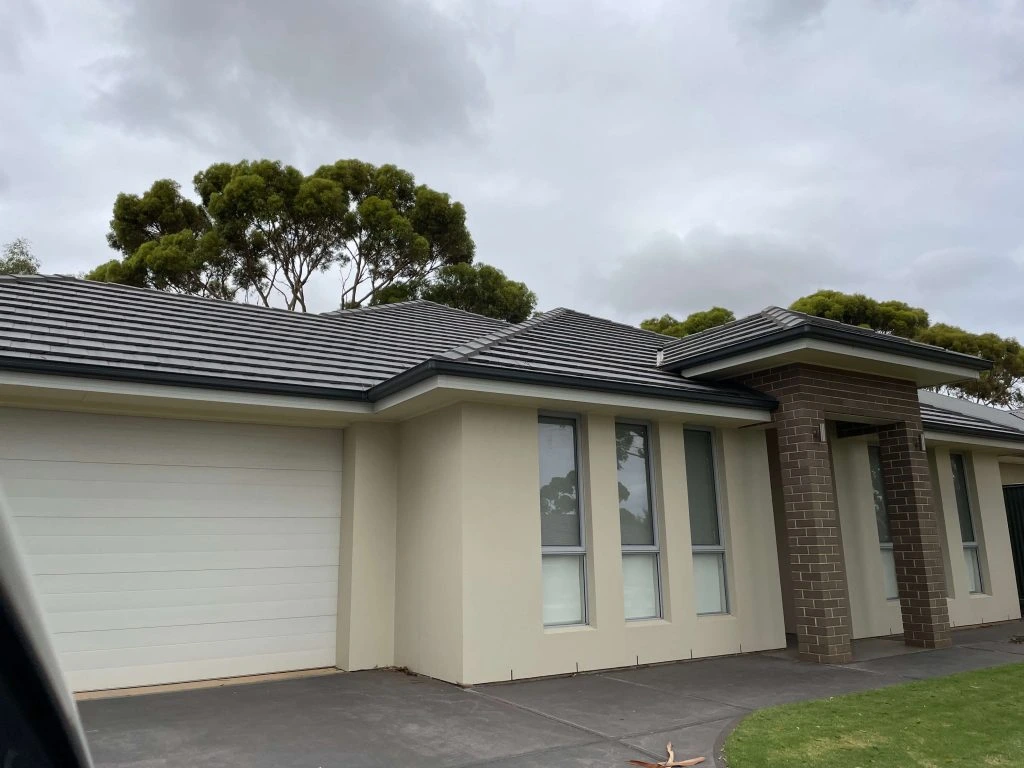
Most homeowners think of their roof as a shield against the rain. But in South Australia, your roof spends 90% of its life battling a relentless UV index that frequently hits extreme levels. While we can duck under a verandah or reapply sunscreen, your roof has to stand there and take it – 24 hours a day, 365 days a year.
At Munro Roofing, we often see roofs that look perfectly fine from the kerb but are structurally ‘sunburnt’ upon closer inspection. Here is how constant UV exposure is silently compromising your home.
The Science of Sunburnt Roofing
UV radiation actually breaks down the molecular bonds of the materials it hits. This process, known as photodegradation, affects every type of roof, though the symptoms look different depending on what you have over your head.
1. Coating and Paint Failure
Whether you have metal sheeting or glazed tiles, the first line of defence is the coating. UV rays act like sandpaper, slowly eroding the protective finish.
Chalking is often a telling sign. If you run your finger across your roof and it comes away with a powdery residue, that’s your roof’s protective layer literally disintegrating. Once that’s gone, the material underneath (be it steel or concrete) is exposed to the elements.
2. Loss of Flexibility (Brittleness)
Roofing materials need to be slightly flexible. Why? Because they expand in the 40°C afternoon sun and contract when the cool Gully Winds hit at night. Constant UV exposure leeches the oils and plasticisers out of roofing materials and sealants.
The giveaway? Hairline cracks in tiles or sealants around chimney flashings. When a material becomes brittle, it can no longer breathe with the temperature changes, leading to snaps, leaks, and failures.
3. Thermal Shock and Fastener Fatigue
The sun doesn’t just hit the surface; it bakes the entire structure. On a typical Adelaide summer day, a dark roof can reach surface temperatures of over 70°C. This extreme heat puts immense pressure on the fasteners, nails, and screws holding your roof together.
Look for screws that have ‘popped’ or ridge capping mortar that has crumbled into dust. This movement creates tiny gaps that are perfect entry points for the first big autumn rain.
Why Adelaide Homeowners Can’t Ignore It
The danger of UV damage is that it is cumulative and invisible. Unlike a fallen tree or a missing tile after a storm, you won’t notice UV damage on a Tuesday afternoon. You’ll notice it six months later when a mystery leak appears in your ceiling because a seal has finally baked through and cracked.
Because Adelaide has some of the highest solar exposure in the country, a roof that might last 30 years in a milder climate might only last 20 here without proper care.
How to Protect Your Property from UV Damage
You can’t put a hat on your house, but you can give it the equivalent of high-SPF protection:
- Reflective Coatings: Modern cool roof coatings are designed to reflect UV rays rather than absorb them, keeping the material underneath stable and your energy bills lower.
- Ventilation Check: A roof that can exhale heat from the attic stays cooler on the surface, reducing the rate of UV degradation.
- Sealant Upgrades: Replacing old, sun-dried silicone and mortar before they fail is the cheapest insurance policy you can buy.
Did Your Roof Fail the Powder Test?
If your roof is looking faded or you’ve noticed white powder in your gutters, it’s likely the UV has won the first round.
Munro Roofing provides comprehensive inspections to see exactly how the Adelaide sun is treating your home. We’ll give you an honest assessment of whether a simple re-coating can save you from a more expensive replacement down the track.